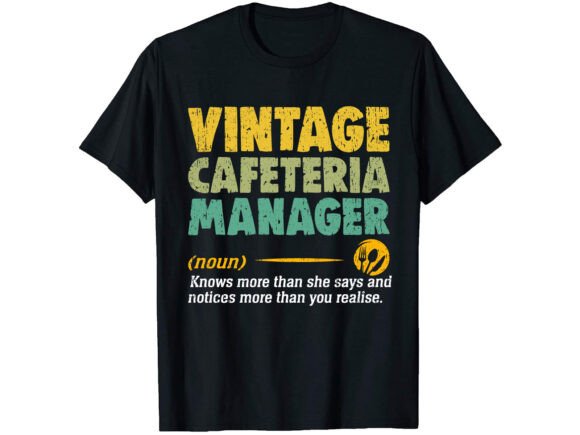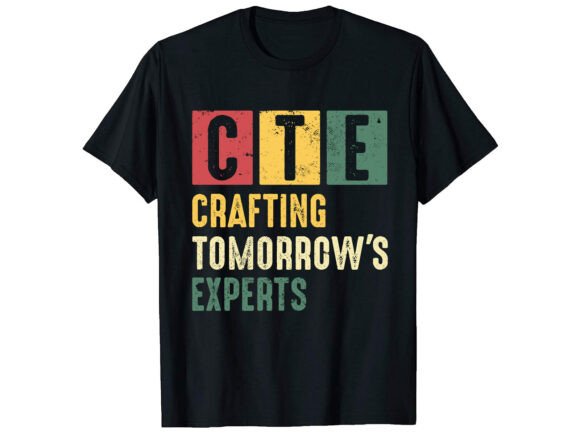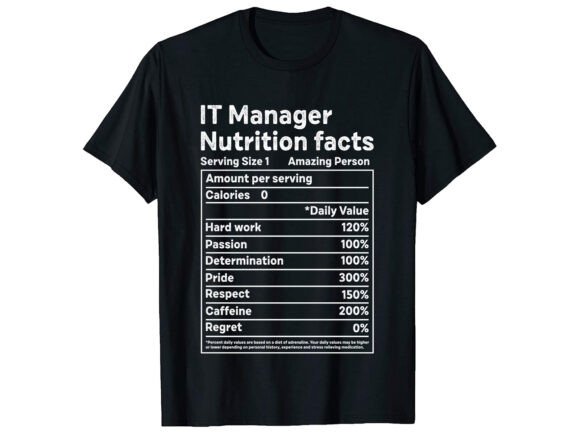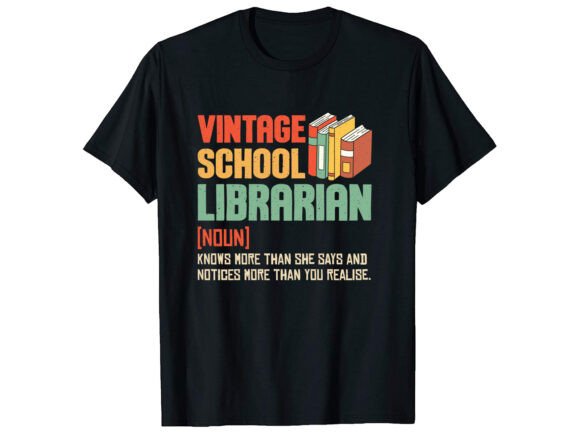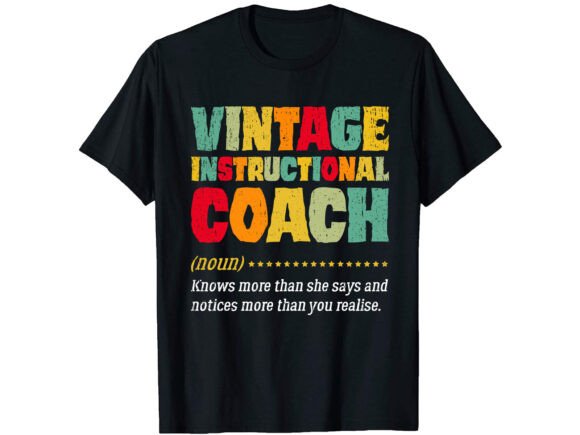
Vintage Instructional Career T-shirt Review
When I first opened the file for Vintage Instructional Career T-shirt, my initial reaction was a mix of curiosity and professional caution. As someone who has spent years testing embroidery files for real-world client projects, I know that a pretty image on a screen does not always translate to a clean stitch pattern on fabric. This design falls under the T-Shirt Designs category with a specific focus on Graphics, but its potential extends far beyond a simple tee. The vintage instructional aesthetic immediately suggests a project that values storytelling and character over flashy modern trends.
The mood created by this design is nostalgic yet authoritative. It feels like something you might find in an old vocational school manual or a retro workshop poster. For an embroidery designer, this visual personality is gold. It naturally belongs in projects that require a sense of history or craftsmanship. Whether you are creating a custom apron for a coffee shop or a personalized gift for a new graduate, the layout of Vintage Instructional Career T-shirt offers a balanced composition that guides the eye without overwhelming the viewer.
Real-World Application: The Boutique Apron Scenario
To truly understand the value of this design, let's imagine a practical scenario. I am preparing merchandise for a local boutique that specializes in handmade kitchen goods. They need a unique embroidered patch to sew onto their line of canvas aprons. The owner wants something that speaks to the "craftsman" spirit, avoiding generic floral patterns or standard script fonts.
I pulled up Vintage Instructional Career T-shirt as a test case. My thought process shifted from "does it look good?" to "how will it hold up after fifty washes?" The design features bold lines and clear typography, which are excellent indicators for durability. On a thick canvas apron, the density of the stitches would likely create a tactile texture that adds perceived value to the product. Customers often trust brands that use substantial embroidery because it signals quality. If I were to place this on a tea towel or a baby onesie, the vibe would shift slightly to become more whimsical and educational, making it perfect for nursery decor or a baby shower gift.
This versatility is where Vintage Instructional Career T-shirt shines. It is not just a graphic; it is a versatile asset for a craft business. An Etsy seller could easily pivot this design from a tote bag design to a holiday embroidery project for a winter market. The instructional theme allows for endless customization, such as changing the text to different trades or hobbies, provided the machine can handle the digitization nuances.
Performance on Different Fabrics and Garments
In my experience, the success of any embroidery file depends heavily on the substrate. For Vintage Instructional Career T-shirt, the performance varies significantly depending on what you choose to embroider.
- Sweatshirt Embroidery: The design works exceptionally well here. The slightly heavier weight of fleece or cotton blends supports the fill stitches without distorting the shape. The vintage look pairs perfectly with the soft texture of a sweatshirt, creating a premium feel.
- Tote Bag Design: Canvas is a forgiving fabric, but the stitching needs to be secure. The strong outlines of this design ensure that the edges remain crisp even on woven fabrics that might otherwise fray around the needle holes.
- Baby Embroidery: While the design is charming, I would advise using a lighter stabilizer and perhaps reducing the stitch density if the fabric is very thin. The goal is to keep the back of the garment soft so it doesn't irritate sensitive skin.
- Embroidered Patch: This is a standout use case. The defined borders make it easy to add a merrow edge or a satin stitch border, turning the digital file into a physical badge that can be ironed or sewn onto hats and jackets.
Where to Exercise Caution
Even a well-designed piece like Vintage Instructional Career T-shirt has limitations. As a reviewer, I must highlight areas where things can go wrong if you rush the process. Small hoop sizes are the enemy of detailed graphics. If your design includes intricate corners or tiny lettering, attempting to fit it into a 4x4 hoop might result in lost details or thread breaks.
Textured fabrics present another challenge. A chunky knit sweater or a rough burlap sack can cause the needle to deflect, leading to misaligned stitches. In these cases, the design might lose its sharpness. Similarly, stretchy fabrics like jersey knits require a stabilizer that provides enough rigidity to prevent the fabric from puckering. Without proper stabilization, the running stitch elements of the design could distort, ruining the vintage aesthetic.
Dense stitch areas should also be monitored. If the design packs too much thread into a small space, it can create a stiff, board-like texture that is uncomfortable to wear. For commercial embroidery projects intended for mass production, this stiffness can lead to customer returns. Always check the stitch density before committing to a full run.
Visual Appeal and Customer Perception
The ultimate measure of a design is how it affects the finished product. Vintage Instructional Career T-shirt elevates the perceived value of a handmade product. When a customer sees a high-quality satin stitch outline combined with precise fill stitch work, they associate that effort with the brand behind the item. This builds trust and encourages repeat business.
For a small shop product, consistency is key. Using a design with a clear theme helps establish a brand identity. If you sell personalized gifts, this design allows you to offer items that feel curated rather than mass-produced. The recognition factor is also important; a unique vintage style stands out in a sea of generic clip art, helping your listing catch the eye of a browser scrolling through an online marketplace.
Practical Designer Notes for Success
Before you load this file into your machine, there are several steps every professional should take. First, always test the design on scrap fabric. This is non-negotiable. You need to see how the threads interact with the specific material you intend to use. Check thread color contrast carefully; a light thread on a dark background (or vice versa) can change the entire mood of the piece.
Review the stitch density and confirm the hoop size required. If the design requires a larger hoop than you own, you may need to split the design or adjust the scale. Inspect small details closely; sometimes, fine lines get lost during the digitizing process. It is also wise to test it in black and white mockups to ensure the contrast holds up without relying on color.
Compare light and dark fabric backgrounds to see how the design adapts. Use proper stabilizer for the specific fabric type—cut-away for stability on wovens, tear-away for knits. Finally, verify whether the design works for both personal and commercial projects. Many designers assume a file is free for commercial use, but licensing terms vary. Confirm the license before selling finished items or offering this as a digital embroidery file to other creators.
If you are looking for a design that balances artistic flair with practical utility, Vintage Instructional Career T-shirt is a strong contender. It respects the traditions of embroidery while offering a modern application for today's makers. By taking the time to test and refine the setup, you can turn this graphic into a centerpiece for your next embroidery project, whether it ends up on a cap, a pillow cover, or a high-end boutique shirt.
Remember, the difference between a good design and a great one often comes down to the execution. Pay attention to the thread colors, manage the fabric texture, and respect the limits of your machine. With careful planning, Vintage Instructional Career T-shirt can become a staple in your portfolio, delivering results that impress clients and delight customers alike.