School Books Stack. Encyclopedia Pile. E Review
When I first opened the files for School Books Stack. Encyclopedia Pile. E, I didn't just see a stack of books; I saw a potential bestseller for back-to-school season. As someone who has spent years turning digital graphics into tactile, stitched realities, my first instinct is always to look past the pretty preview and ask: "How will this hold up under the needle?" This isn't just another vector illustration; it is a graphic asset with a specific personality that screams education, nostalgia, and organized learning.
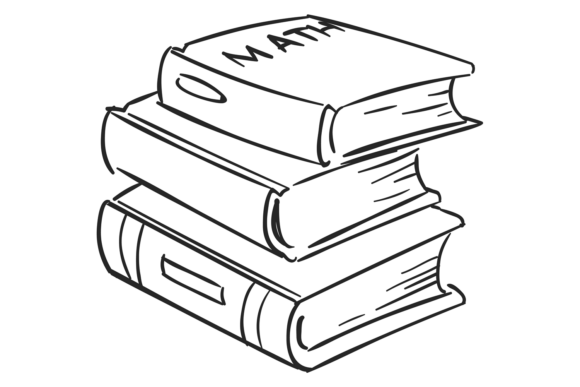
The visual mood of School Books Stack. Encyclopedia Pile. E is immediately welcoming yet structured. The isolated layout on a white background suggests versatility, but in the world of machine embroidery, isolation can sometimes mean complexity. The design captures the essence of an encyclopedia pile—a classic symbol of knowledge—making it perfect for anyone looking to create custom apparel or home decor with an academic twist. Whether you are an Etsy seller preparing a holiday collection or a hobbyist making a personalized gift for a teacher, the theme resonates instantly.
From Digital Preview to Stitched Reality
Imagine you are working on a custom embroidered tote bag for a local library fundraiser. You need something that looks professional but feels handmade. School Books Stack. Encyclopedia Pile. E fits this scenario perfectly. The clean lines of the book spines translate well into satin stitch, which gives the edges a crisp, defined look. When I visualize this on canvas fabric, the contrast between the thread colors and the background creates a striking focal point.
However, the transition from a flat EPS file to a 3D embroidered piece requires careful consideration. The design relies on clear shapes rather than intricate shading. This is a strength because high-density fill stitches can sometimes flatten out details, making them hard to read. With School Books Stack. Encyclopedia Pile. E, the simplicity of the stack allows the viewer to recognize the subject matter quickly. It works beautifully as a central motif on a sweatshirt chest area or as a decorative accent on the pocket of a work apron.
I also tested the concept mentally for baby items. A soft onesie featuring this design would be adorable, especially if paired with pastel threads. The rounded corners of the books soften the image, preventing it from looking too rigid. For a nursery pillow cover, the educational theme adds a touch of whimsy without being overwhelming. The key here is selecting the right thread colors to maintain the distinction between each book in the stack.
Navigating Fabric Challenges and Hoop Constraints
While the design is versatile, it is not without its challenges. If you plan to use School Books Stack. Encyclopedia Pile. E on a curved surface like a baseball cap, you must be cautious. The stacked nature of the books implies verticality, and stitching on a curved brim can distort the perspective unless the digitization accounts for the curve. In my experience, designs with straight, geometric elements often suffer more on caps than organic, flowing shapes.
Another critical factor is the hoop size. Because the design represents a pile, it likely has some height. If you attempt to stitch this in a small hoop, you risk cutting off the top of the highest book or creating tension issues at the edges. Always verify the dimensions before starting your project. For larger garments like blankets or large tote bags, the design scales well, maintaining its integrity even when enlarged.
Fabric texture plays a significant role in the final outcome. On a smooth cotton tee, the stitches will lay flat and look polished. However, on a textured fabric like a heavy fleece or a woven linen, the details might get lost. The fine lines representing the book spines could disappear into the weave if the fabric is too coarse. In these cases, using a cutaway stabilizer is essential to prevent puckering and ensure the design sits flush against the material.
Maximizing Visual Appeal and Customer Trust
In the world of handmade products, clarity equals quality. Customers scanning an Etsy listing want to know exactly what they are getting. A sharp, well-executed embroidery of School Books Stack. Encyclopedia Pile. E signals professionalism. It tells the buyer that the maker cares about detail and precision. Conversely, a sloppy execution where the book spines merge into one blob can undermine trust in the brand.
To maximize the visual appeal, pay attention to thread color contrast. If you are stitching on a dark fabric, choose light-colored threads for the book covers to ensure they pop. If the background is light, darker threads provide the necessary definition. Testing the design in black and white mockups before committing to production is a smart move. This helps you visualize how the different shades of gray will translate into actual thread colors and ensures there is enough contrast for the design to be legible.
This design is particularly effective for commercial embroidery projects where branding matters. Imagine a boutique selling school supplies; an embroidered patch featuring this stack could serve as a unique logo or a promotional item. The clean, isolated nature of the original graphic makes it easy to adapt for various applications, from tags to labels. It bridges the gap between digital design assets and physical merchandise seamlessly.
Practical Designer Notes for Real-World Use
Before you load your machine, there are several steps you should take to ensure success. First, always test the design on scrap fabric that matches your intended project material. This reveals any potential issues with stitch density or fabric movement. Check the thread colors against your fabric sample to confirm they complement rather than clash.
Review the stitch density carefully. High-density areas, such as the fills within the book covers, can cause the fabric to pucker if not stabilized correctly. Ensure you are using the appropriate stabilizer for the weight of your fabric. For lightweight materials, a tear-away might suffice, but for heavier fabrics, a cutaway provides better support.
If you are planning to sell finished products featuring School Books Stack. Encyclopedia Pile. E, double-check the licensing terms. Some illustrations allow for personal use only, while others permit commercial sales. Confirming this before you start your production run prevents legal headaches later. Also, inspect the small details in the design. Are the book spines distinct? Is the text (if any) readable? If the original file is too complex for embroidery, you may need to simplify the vector paths before converting to a machine embroidery format.
Finally, consider the lifecycle of your product. Items like aprons and kitchen towels undergo frequent washing. Ensure the stitches are secure and the stabilizer is removed properly so the design remains intact over time. A durable finish enhances the perceived value of your handmade product.
School Books Stack. Encyclopedia Pile. E is more than just a graphic; it is a versatile tool for creative entrepreneurs. Whether you are crafting a personalized gift for a student or building a line of educational-themed merchandise, this design offers a strong foundation. By paying attention to fabric choice, stabilization, and thread selection, you can transform this digital illustration into a stunning finished product that stands out in a crowded market.